
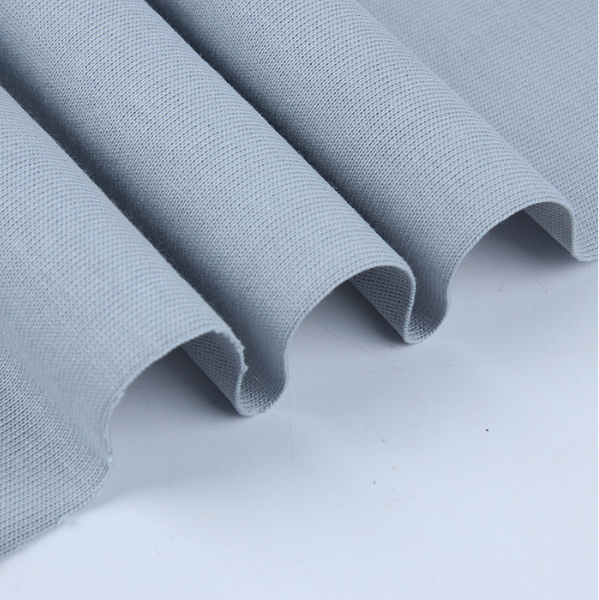
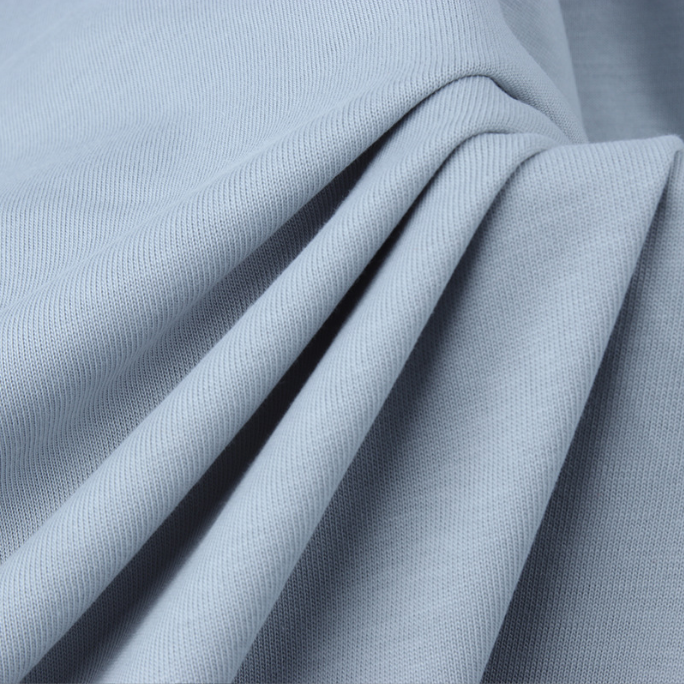
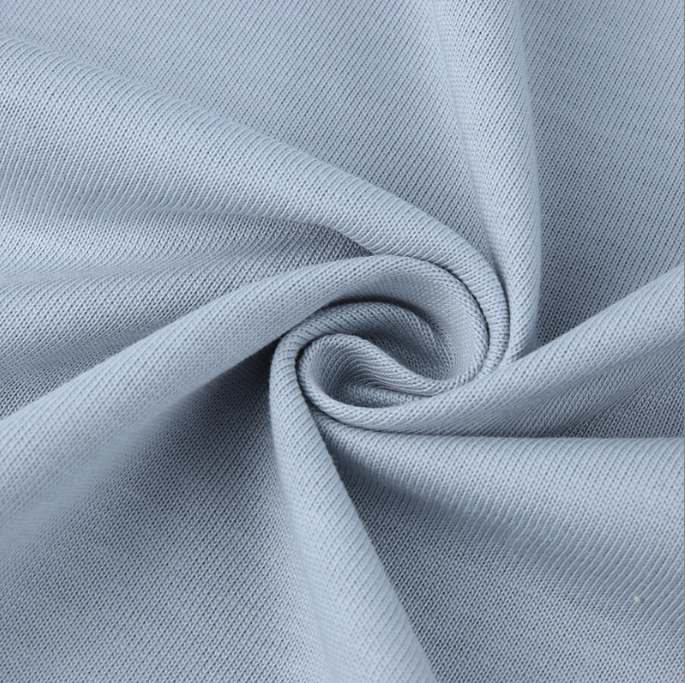
nsulation: Because cotton fiber is a poor conductor of heat and electricity, the thermal conductivity coefficient is extremely low, and because cotton fiber itself is porous and has high elasticity, a large amount of air can accumulate between the fibers.
Heat resistance: Pure cotton fabrics have good heat resistance. When the temperature is below 110°C, it will only cause the water on the fabric to evaporate and will not damage the fibers. Therefore, pure cotton fabrics have no effect on the fabrics at room temperature, wearing, using, washing, printing and dyeing. , thus improving the washability and wearability of pure cotton fabrics.
Alkali resistance: Cotton fiber has greater resistance to alkali. In the alkali solution, the fiber will not be damaged. This property is beneficial to the washing of pollution after consumption, disinfection and removal of impurities. It can also be used to clean pure cotton textiles. Carry out dyeing, printing and various technological processes to produce more new varieties of cotton fabrics.
Hygiene: Cotton fiber is a natural fiber, its main component is cellulose, and contains a small amount of waxy substances, nitrogen-containing substances and pectin. Pure cotton fabrics have been tested and practiced in many aspects. There is no irritation or side effects when the fabric comes into contact with the skin. It is beneficial to the human body when worn for a long time and has good hygienic performance.
Reviews
There are no reviews yet.